My school magazine relates to existing examples of these media forms in ways like having only a few topics of interest that will be inside the magazine on the front. I have a large masthead on the left of my page vertically that has the school’s logo at the bottom of the masthead and at the top. I designed my front page like this because every other school magazine I see has the name of it either at the top or the bottom, and I think this is rather boring for every magazine to have this idea.
My central image is different to some other school magazines as you concentrate on the landscape instead of a student being portrayed. I think this gives a good effect as it shows the students reading the magazine part of the school that is sometimes never looked at. Although I do not have a central picture of a student I do in fact have pictures of three students on the page, but they are related more to the topic names next to them than to portray the image of a happy working student.
My mode of address is to the 6th form and parents/staff in Rego school. I have done this in a way that the language is simplistic but formal. I have also made sure that not much writing is on the front, using anchorage lines to grab the attention of the reader to delve in further to find out more on that article.
Conventions that I have included in terms of the following:
Design.
Mode of address.
Use of imagery.
Glossary of Key Terms for Magazine Analysis
Masthead – The name and logo of the magazine.
The Lead – the introductory paragraph of an article. Usually written in bold or capitals.
Body copy refers to the text of your written articles, which should be produced as a printed presentation to accepted industry standards, e.g. correct use of language, font size, word limits etc. Usually written in columns.
Serif font – fonts like Times New Roman, or Baskerville Old Face, which have little bars (serifs) on the end of the letters.
Sans serif font – fonts like Impact, or Agency FB, which do not have little bars (serifs) on the end of the letters.
Drop Capitals – Really big letter, which start off an article.
Cross Head – Small sub-heading used to split up a large block of text.
White Space – white parts of a page other than text or pictures.
Mode Of Address – How the magazine talks to the audience.
Sell Lines – Text on the cover that helps to sell the magazine to the audience. Kerrang!’s sell line is “life is loud”.
Banners – text, which stands out because its on a coloured background.
House Style – a magazines distinctive design that distinguishes it from its competitors.
Borders – the gaps at the edges of the page.
Gutters – the gaps between the columns of text.
Leading - the space between lines of text.Kerning - the space between letters.
Strap Lines – a smaller headline, printed above the main headline.
By-lines - name of the person who wrote the article.
Picture Credits - where did the photos come from, or who took them.
Anchorage – The way in which text helps to pin down the meaning of a picture and visa versa.
Masthead – The name and logo of the magazine.
The Lead – the introductory paragraph of an article. Usually written in bold or capitals.
Body copy refers to the text of your written articles, which should be produced as a printed presentation to accepted industry standards, e.g. correct use of language, font size, word limits etc. Usually written in columns.
Serif font – fonts like Times New Roman, or Baskerville Old Face, which have little bars (serifs) on the end of the letters.
Sans serif font – fonts like Impact, or Agency FB, which do not have little bars (serifs) on the end of the letters.
Drop Capitals – Really big letter, which start off an article.
Cross Head – Small sub-heading used to split up a large block of text.
White Space – white parts of a page other than text or pictures.
Mode Of Address – How the magazine talks to the audience.
Sell Lines – Text on the cover that helps to sell the magazine to the audience. Kerrang!’s sell line is “life is loud”.
Banners – text, which stands out because its on a coloured background.
House Style – a magazines distinctive design that distinguishes it from its competitors.
Borders – the gaps at the edges of the page.
Gutters – the gaps between the columns of text.
Leading - the space between lines of text.Kerning - the space between letters.
Strap Lines – a smaller headline, printed above the main headline.
By-lines - name of the person who wrote the article.
Picture Credits - where did the photos come from, or who took them.
Anchorage – The way in which text helps to pin down the meaning of a picture and visa versa.

1) Why has this image been chosen? Is the use of black and white significant?
This image is chosen to show her sadness for her own tragedy and others (maybe family members or fans) she has affected in a bad way. The black and white is significant as it enhances the sadness shown but it also tells the reader that she is now "out of date".
2) How has the image been cropped?
It has been cropped to show an extreme close up of her face to show her emotions, and in this case her sadness die to her tragedy.
3) What type of relationship does Britney want with the audience? Is this supported by the anchorage text?
She wants to be felt sorry for what she has been through, this is shown through the black and white picture-- its like a rainy glum day. the anchorage supports the picture by using only 2 words: 'American tragedy'.

1)How has the image been framed/cropped? What type of shot has been used and why?
The shot is a mid-shot aimed at the top half of her body. The picture has been cropped to show her as the central image. The background and walls are white.
2) Describe Britney’s costume and pose. What type of relationship does she want with the reader?
Her pose is sexual and the fact that she is topless and wearing only underwear tells me the relationship she wants is attractive, appealing and sexy.
3) What setting is used and what are the connotations of this?
The setting from what I can see is 2 walls close to one another with her in the middle. This connotes that her life is uncontrolled and anything could happen. (Such as if the walls were to fall down she could have more freedom) where she is standing is all white. This brings out the text next to the picture.
4) How is lighting used?
The picture has a lot of light thrown onto it. This brings your attention to the image straight away before looking at anything else on the page.
5) What colours are used and why?
Where she is standing is all white. This brings out the text next to the picture. This also brings out the colour in her skin showing her tan. The colour of the text is mainly blue, black and red which in contrast to the white get brought out a lot.
The shot is a mid-shot aimed at the top half of her body. The picture has been cropped to show her as the central image. The background and walls are white.
2) Describe Britney’s costume and pose. What type of relationship does she want with the reader?
Her pose is sexual and the fact that she is topless and wearing only underwear tells me the relationship she wants is attractive, appealing and sexy.
3) What setting is used and what are the connotations of this?
The setting from what I can see is 2 walls close to one another with her in the middle. This connotes that her life is uncontrolled and anything could happen. (Such as if the walls were to fall down she could have more freedom) where she is standing is all white. This brings out the text next to the picture.
4) How is lighting used?
The picture has a lot of light thrown onto it. This brings your attention to the image straight away before looking at anything else on the page.
5) What colours are used and why?
Where she is standing is all white. This brings out the text next to the picture. This also brings out the colour in her skin showing her tan. The colour of the text is mainly blue, black and red which in contrast to the white get brought out a lot.

For section A you should analyse a magazine contents page that relates to one of your front cover analysis e.g. NME/Rolling Stone cover and contents page.
I did this analysis on a Q magazine.
Does the magazine use images?
Yes, most of the contents page is full of images.
How have these images been constructed?
The pictures have the main interest of portraying 'bands/singers' in different ways: bad or good, low angle or high angle and depth of field shots.
How do they support your initial findings about the style of the magazine and its intended audience?
This shows me this magazine does not have one focus, but focuses on several different genres and audiences but in different additions of the magazine.
What colours and fonts are used?
The writing is mainly black apart from a quote that is red and a paragraph in grey writing, the quote is red to stand out from the rest of the writing. The black writing for the contents shows that all the articles are as important as each other. For fonts bold writing is used for titles and sub titles whereas for the text under these titles is not.
Does this support the style of the front cover? How is the information organised so that it is accessible to the audience?
The contents is located on both the left and right side of a double page spread with images in the middle. this supports the front page as it has the smae layout and in a way the same people in another picture. it is organised in a simple way so the audience can breifly look at the page, read the bold titles and flick to that page in the magazine.
What are the different sections? What does this tell you about the magazine?
There is a part on the main topic which was on the front cover 'U2', there is a section on 'John Humphrys' and other titles. This tells me that the different articles in the magazine are largely different in the size and in a way genre.
Are there any promotional features?
Not in the contents no.
Is the magazine logo placed anywhere on the page? How dominant is it?
The logo is located right under the word Contents, this does make in quite dominant and reminds you what magazine you are reading. Also by the page numbers there are small logos.
Does the brand have any other franchises?
I am not certain but I can't see any.
Are these promoted on the contents page?
No, but if they have not got any franchises and in the future did, they could well be advertised in the contents.
For section B you should compare this magazine contents page to another magazine's contents page (NME). How does this magazine, aimed at a different audience compare with Q?! How would you describe the layout of its contents page? Does it remind you of anything? What does this say about the audience?
For the NME contents page, the most visable thing is that it is all fitted onto one page, instead of two like Q. The picture is smaller and is not related to the front cover main picture. The NME magazine has a layout more suited to an audience that knows what article they want to read as the text under the headings is just one line with not much information on that article.
How is this different to Q?
Q magazine has a more indepth read of the articles it shows in the contents. The picture in Q relates to its front cover where NME does not, this puts emphasis on the front cover article.
I did this analysis on a Q magazine.
Does the magazine use images?
Yes, most of the contents page is full of images.
How have these images been constructed?
The pictures have the main interest of portraying 'bands/singers' in different ways: bad or good, low angle or high angle and depth of field shots.
How do they support your initial findings about the style of the magazine and its intended audience?
This shows me this magazine does not have one focus, but focuses on several different genres and audiences but in different additions of the magazine.
What colours and fonts are used?
The writing is mainly black apart from a quote that is red and a paragraph in grey writing, the quote is red to stand out from the rest of the writing. The black writing for the contents shows that all the articles are as important as each other. For fonts bold writing is used for titles and sub titles whereas for the text under these titles is not.
Does this support the style of the front cover? How is the information organised so that it is accessible to the audience?
The contents is located on both the left and right side of a double page spread with images in the middle. this supports the front page as it has the smae layout and in a way the same people in another picture. it is organised in a simple way so the audience can breifly look at the page, read the bold titles and flick to that page in the magazine.
What are the different sections? What does this tell you about the magazine?
There is a part on the main topic which was on the front cover 'U2', there is a section on 'John Humphrys' and other titles. This tells me that the different articles in the magazine are largely different in the size and in a way genre.
Are there any promotional features?
Not in the contents no.
Is the magazine logo placed anywhere on the page? How dominant is it?
The logo is located right under the word Contents, this does make in quite dominant and reminds you what magazine you are reading. Also by the page numbers there are small logos.
Does the brand have any other franchises?
I am not certain but I can't see any.
Are these promoted on the contents page?
No, but if they have not got any franchises and in the future did, they could well be advertised in the contents.
For section B you should compare this magazine contents page to another magazine's contents page (NME). How does this magazine, aimed at a different audience compare with Q?! How would you describe the layout of its contents page? Does it remind you of anything? What does this say about the audience?
For the NME contents page, the most visable thing is that it is all fitted onto one page, instead of two like Q. The picture is smaller and is not related to the front cover main picture. The NME magazine has a layout more suited to an audience that knows what article they want to read as the text under the headings is just one line with not much information on that article.
How is this different to Q?
Q magazine has a more indepth read of the articles it shows in the contents. The picture in Q relates to its front cover where NME does not, this puts emphasis on the front cover article.
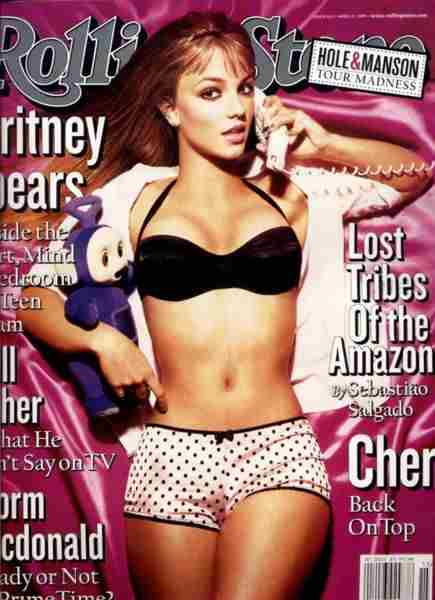
Answer the following questions and make sure that you use appropriate terminology:
1) How has the image been framed/cropped? What type of shot has been used and why? What type of magazine is this typical of (refer back to the readership statistics)
2) Describe Britney’s costume. What does it suggest about her image? Who is this appealing to?
Her costume is revealing and can suggest that she wants attention from showing off her body. This picture is appealing to most males.
3) Have any props been used? What messages are they conveying to the audience?
There is a phone which connates she has an active social life, and a teletubby which can suggest that she is immature/childish and needs someone to make decisions for her as she constantly makes the wrong ones, etc.
4) What setting is used and what are the connotations of this?
The pink silk background which she is laying on connates her sex appeal to the public.
5) Are any intertextual references being made? What are the connotations of this?
A connotation of an intertextual reference is she is trying to 'pick up' someone (the phone) as she is an uncontrolable teen that does not listen to adult advise about how to present herself.
6) What colours are used and why?
Pink is used to show her feministic side. This connates her attractiveness to reader and in perticular males.
1) How has the image been framed/cropped? What type of shot has been used and why? What type of magazine is this typical of (refer back to the readership statistics)
2) Describe Britney’s costume. What does it suggest about her image? Who is this appealing to?
Her costume is revealing and can suggest that she wants attention from showing off her body. This picture is appealing to most males.
3) Have any props been used? What messages are they conveying to the audience?
There is a phone which connates she has an active social life, and a teletubby which can suggest that she is immature/childish and needs someone to make decisions for her as she constantly makes the wrong ones, etc.
4) What setting is used and what are the connotations of this?
The pink silk background which she is laying on connates her sex appeal to the public.
5) Are any intertextual references being made? What are the connotations of this?
A connotation of an intertextual reference is she is trying to 'pick up' someone (the phone) as she is an uncontrolable teen that does not listen to adult advise about how to present herself.
6) What colours are used and why?
Pink is used to show her feministic side. This connates her attractiveness to reader and in perticular males.
Ok, for the front page college magazine:
I would have a picture of a student in the middle of the page. (CU of head and shoulders, get picture at a later date.) -perhaps a large masthead for the magazine, at the bottom of the page.-
catchy text dotted around the page using page numbers to the correct article about text (e.g. an article on a sport team that played in another school such as basketball)
bright colours used to attract the attention of students.
targeted at the college students
Using an image of part of the school faded behind the student would add a nice effect to the magazine, perhaps a place where many students relax and hang out to remind them that is just as important to the school as work is.
Adding on, I'm still thinking of a name I could use for my front cover.
For the articles names like: 'Regoers are triumphant in basketball again!' 'Charity fund raiser raised too much!!!' 'Teachers gone nuts?' would be viable options.
Fonts and their sizes I am not sure on and would prefer to experiment during the production of this exercise.
I would have a picture of a student in the middle of the page. (CU of head and shoulders, get picture at a later date.) -perhaps a large masthead for the magazine, at the bottom of the page.-
catchy text dotted around the page using page numbers to the correct article about text (e.g. an article on a sport team that played in another school such as basketball)
bright colours used to attract the attention of students.
targeted at the college students
Using an image of part of the school faded behind the student would add a nice effect to the magazine, perhaps a place where many students relax and hang out to remind them that is just as important to the school as work is.
Adding on, I'm still thinking of a name I could use for my front cover.
For the articles names like: 'Regoers are triumphant in basketball again!' 'Charity fund raiser raised too much!!!' 'Teachers gone nuts?' would be viable options.
Fonts and their sizes I am not sure on and would prefer to experiment during the production of this exercise.

Use these questions to analyse at least 2 magazine front covers:
What type of magazine is it?It is a music magazine for both sexes called the rolling stone.
From the front cover what kinds of issues/articles are going to be inside?
The magazine (rolling stone) has interviewed JAY-Z, the picture is probably him.
There is a list of the 10 best bands.
And some information about a campain but judging by the sub title it is more of a fun joke than a formal statement.
Who is the target audience for the magazine? What particular age group? What are their interests?
I think the target audience is aimed at both sexes aged around 20-40s having an interest in older music of the 90s and 80s.
Look at the central image. What mode of address is the mag using? What does this tell you about the type of relationship it wants with its reader?
The picture is formal as he is wearing an expencive looking suit and scarf. This suggests to me that the magazine wants a more distanced relationship than other magazines due to the formality about it.
Who is on the front cover and why?
A singer called Jay-z is on the front cover, this is probably because the main article is about him (the interview) and to connate that the magazine is about music.
What does the anchorage text say? What does this imply about the artist?? What overall message is the artist giving?
'Adicted to the game' it implies that he is really into his music and making money. This gives the impression that he is addicted to being famous and rich, and would never give that up.
Are any groups being represented? How does the magazine represent them?
This represents formal celebrities, this could be a reason why the magazine tries to distance itself from its readers. the magazine represents this to me by the picture of the front of a celebrity.
Are there any ‘buzz’ words? What effect does it have on the reader?
'Artists' this has the effect of showing the reader that he/she has to watch out for the 'best new' bands.
What does design of the title block tell you about the magazine? What does the title of the magazine tell you about:
1.the readership
2. its image
3. its style
The title block is very 'posh' the grey signifies that the magazine has been running for a long time, the title tells me that the image of Jay-z is a man of music and fashion.
the style of the title of the magazine tells me its style is more 'formal' in a sence as the grey title fits with the mans suit, and the borderline makes the title stand out.
What do the ‘puffs’ suggest will be inside the magazine? What does this tell you about the type of audience the magazine expects to get?
'The bizarre saga of JT LEROY' is a puff, this tells me that the audience expects to get an interesting adventure told to them, but its related in some way to music.
Is there a slogan? What does it tell you about the magazine? How does it help to attract readers?
'Addicted to the game' is the nearest slogan I could find. it tells me and other readers that this magazine probably knows their 'stuff' (about music etc) and are 'addicted' to finding out and putting this information to us, the readers. this attracts readers as they trust this slogan as a sign that the writers know what they are going on about as they have done it for a long time.
What colours are used? Do you find them attractive?
A white background contrasts well with the black font and the picture, i find that the red sub-titles do not go as well with the white background. Even on the mans suit as the writing becomes a little harder to read.
What fonts are used and why?
Big bold fonts with a border are used to get the attention of passer-bys or to pull people looking at the cover to read more of the articles inside.
What strategies does the magazine use to attract the audience?
A large central image interests the reader: Who is this person? Do I know of them? How important are they in the music industry? Will I find this out in the interview? Also the interesting sub titles of articles inside the magazine pulls the reader into the magazine to read more, such as 'the riddle of the six dylans'
What type of magazine is it?It is a music magazine for both sexes called the rolling stone.
From the front cover what kinds of issues/articles are going to be inside?
The magazine (rolling stone) has interviewed JAY-Z, the picture is probably him.
There is a list of the 10 best bands.
And some information about a campain but judging by the sub title it is more of a fun joke than a formal statement.
Who is the target audience for the magazine? What particular age group? What are their interests?
I think the target audience is aimed at both sexes aged around 20-40s having an interest in older music of the 90s and 80s.
Look at the central image. What mode of address is the mag using? What does this tell you about the type of relationship it wants with its reader?
The picture is formal as he is wearing an expencive looking suit and scarf. This suggests to me that the magazine wants a more distanced relationship than other magazines due to the formality about it.
Who is on the front cover and why?
A singer called Jay-z is on the front cover, this is probably because the main article is about him (the interview) and to connate that the magazine is about music.
What does the anchorage text say? What does this imply about the artist?? What overall message is the artist giving?
'Adicted to the game' it implies that he is really into his music and making money. This gives the impression that he is addicted to being famous and rich, and would never give that up.
Are any groups being represented? How does the magazine represent them?
This represents formal celebrities, this could be a reason why the magazine tries to distance itself from its readers. the magazine represents this to me by the picture of the front of a celebrity.
Are there any ‘buzz’ words? What effect does it have on the reader?
'Artists' this has the effect of showing the reader that he/she has to watch out for the 'best new' bands.
What does design of the title block tell you about the magazine? What does the title of the magazine tell you about:
1.the readership
2. its image
3. its style
The title block is very 'posh' the grey signifies that the magazine has been running for a long time, the title tells me that the image of Jay-z is a man of music and fashion.
the style of the title of the magazine tells me its style is more 'formal' in a sence as the grey title fits with the mans suit, and the borderline makes the title stand out.
What do the ‘puffs’ suggest will be inside the magazine? What does this tell you about the type of audience the magazine expects to get?
'The bizarre saga of JT LEROY' is a puff, this tells me that the audience expects to get an interesting adventure told to them, but its related in some way to music.
Is there a slogan? What does it tell you about the magazine? How does it help to attract readers?
'Addicted to the game' is the nearest slogan I could find. it tells me and other readers that this magazine probably knows their 'stuff' (about music etc) and are 'addicted' to finding out and putting this information to us, the readers. this attracts readers as they trust this slogan as a sign that the writers know what they are going on about as they have done it for a long time.
What colours are used? Do you find them attractive?
A white background contrasts well with the black font and the picture, i find that the red sub-titles do not go as well with the white background. Even on the mans suit as the writing becomes a little harder to read.
What fonts are used and why?
Big bold fonts with a border are used to get the attention of passer-bys or to pull people looking at the cover to read more of the articles inside.
What strategies does the magazine use to attract the audience?
A large central image interests the reader: Who is this person? Do I know of them? How important are they in the music industry? Will I find this out in the interview? Also the interesting sub titles of articles inside the magazine pulls the reader into the magazine to read more, such as 'the riddle of the six dylans'

Use these questions to analyse at least 2 magazine front covers:
What type of magazine is it?A music magazine for women.
From the front cover what kinds of issues/articles are going to be inside?
l Interviews of different people from tv series and bands.
l Information about certain bands/ groups: artic monkeys etc
l A big interview on Madonna
Who is the target audience for the magazine? What particular age group? What are their interests?
Women who like music but different types of music, girls aloud and artic monkeys for example. This magazine is aimed at women in their 20s. (Ages 19-30)
l Interviews of different people from tv series and bands.
l Information about certain bands/ groups: artic monkeys etc
l A big interview on Madonna
Who is the target audience for the magazine? What particular age group? What are their interests?
Women who like music but different types of music, girls aloud and artic monkeys for example. This magazine is aimed at women in their 20s. (Ages 19-30)
Look at the central image. What mode of address is the mag using? What does this tell you about the type of relationship it wants with its reader?
The picture is informal as she is sort of ‘hiding’ with her hood on. Her glove connates her sense of fashion to the readers.
The picture is informal as she is sort of ‘hiding’ with her hood on. Her glove connates her sense of fashion to the readers.
Who is on the front cover and why?
A singer called Madonna is on the front cover, this is probably because the magazine is aimed at young women that are interested in singers and bands.
A singer called Madonna is on the front cover, this is probably because the magazine is aimed at young women that are interested in singers and bands.
What does the anchorage text say? What does this imply about the artist?? What overall message is the artist giving?
'...All interview MADONNA' This implies that alot of people have an interest in her and that the reader should too, as well as giving the impression she has done some pretty good things in her life, or maybe bad things.
Are any groups being represented? How does the magazine represent them?Perhaps late teenager girls upto women in thier twenties are being represented through their taste in music and in a sense their fashion through this magazine.
Are there any ‘buzz’ words? What effect does it have on the reader? ‘Girl powered’ as this magazine is read by women, they would feel that women are writing for them. This tells them that women wrote the article for women.
What does design of the title block tell you about the magazine? What does the title of the magazine tell you about:
1.the readership
1.the readership
2. its image
3. its style
The title block is very plain, this tells me the style of the magazine could well also be plain. The image the title gives me is the simplicity of it, this gives me a connation that that give the magazine more room to change to any type of music it wishes to at any given time. This tells me that the readership is probably always changing genres of the time due to fashion.
The title block is very plain, this tells me the style of the magazine could well also be plain. The image the title gives me is the simplicity of it, this gives me a connation that that give the magazine more room to change to any type of music it wishes to at any given time. This tells me that the readership is probably always changing genres of the time due to fashion.
What do the ‘puffs’ suggest will be inside the magazine? What does this tell you about the type of audience the magazine expects to get? Their are puff words such as a review of a 'rolling stone movie' (or film), or an interview of the 'arctic monkeys in their favorite pub' etc. This tells me that the type of audience is interested in these types of genre for the media in this magazine.
Is there a slogan? What does it tell you about the magazine? How does it help to attract readers? There is no slogan that I can make out.
What colours are used? Do you find them attractive? Red and white to me seem to be the most prominent colours used. I think that yes the colours fit well together, the white and red are from the British flag, which symbolizes where the magazine was written. (The U.K)
What fonts are used and why?Big bold fonts are used to get the attention of passer-bys or to pull person looking at the cover to read more inside.
What strategies does the magazine use to attract the audience?
I large central image interests the reader: Who is this person? Do I know of them? How important are they in the music industry?
Also you get interesting snippets of information which make you want to read more inside the magazine to find out what they’re about. Such as ‘Rolling Stones At The Movies’
What strategies does the magazine use to attract the audience?
I large central image interests the reader: Who is this person? Do I know of them? How important are they in the music industry?
Also you get interesting snippets of information which make you want to read more inside the magazine to find out what they’re about. Such as ‘Rolling Stones At The Movies’